
Antennen
-
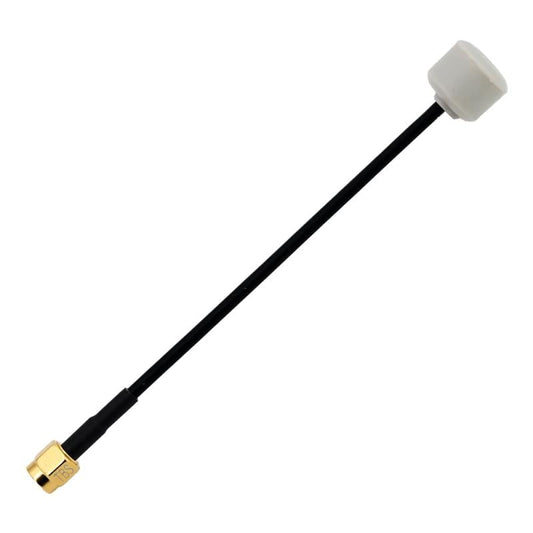
TrueRC Core 5.8 FPV Antenne
Anbieter:TrueRC FPV AntennasNormaler Preis Von £10.99 GBPNormaler Preis£11.76 GBPVerkaufspreis Von £10.99 GBPSale -
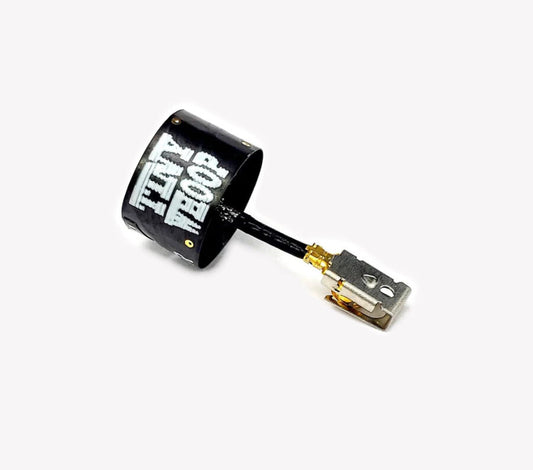
ELRS 2.4GHz T-Antenne (IPEX/IPX/U.FL) (40/80mm)
Anbieter:HappyModelNormaler Preis £1.49 GBPNormaler Preis -
 Ausverkauft
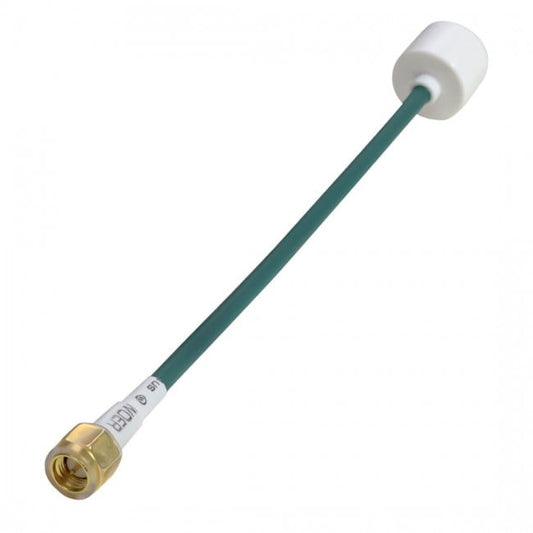
FlyFishRC Osprey 5.8Ghz 40mm U.FL Antenne
Anbieter:FlyFishRCNormaler Preis £3.70 GBPNormaler Preis -
Foxeer Lollipop 4 Plus FPV-Antenne (2 Stk.) 5,8 G
Anbieter:FoxeerNormaler Preis Von £19.95 GBPNormaler Preis -
Happymodel Dipol IPX/U.FL 5.8Ghz Antenne (2 Stk.) 60mm (O4 kompatibel)
Anbieter:HappyModelNormaler Preis £1.79 GBPNormaler Preis -
5 Stk. GEPRC IPEX 5.8G Kupferrohrantenne
Anbieter:GEPRCNormaler Preis £3.49 GBPNormaler Preis -
TBS Crossfire Immortal T Antenne V2
Anbieter:Team Black SheepNormaler Preis £6.90 GBPNormaler Preis -
TrueRC Matchstick 5.8GHz Carbon FPV Antenne (SMA) (RHCP/LHCP)
Anbieter:TrueRC FPV AntennasNormaler Preis £20.90 GBPNormaler Preis -
TBS Patch Antenne 5,8 GHz 5 dBi RHCP (SMA / RP-SMA)
Anbieter:Team Black SheepNormaler Preis £11.90 GBPNormaler Preis -
TBS Triumph Pro FPV Antenne RHCP (MMCX, UFL, SMA)
Anbieter:Team Black SheepNormaler Preis Von £15.98 GBPNormaler Preis -
 Ausverkauft
Osprey 5.8Ghz 140mm ipex/UFL FPV Antenne
Anbieter:FlyfishNormaler Preis £4.49 GBPNormaler Preis -
Maple Wireless DJI N3 Antenne
Anbieter:Maple WirelessNormaler Preis £49.39 GBPNormaler Preis -
 Ausverkauft
Radiomaster 2.4Ghz T Antenne für ELRS
Anbieter:RadioMasterNormaler Preis £5.90 GBPNormaler Preis -
 Ausverkauft
Foxeer Pagoda Pro 5.8G RHCP Omni FPV Antenne
Anbieter:ChaosFPVNormaler Preis £6.15 GBPNormaler Preis -
Flywoo LDS 5.8GHz LHCP FPV Antenna (UFL/SMA)
Anbieter:FlywooNormaler Preis £5.89 GBPNormaler Preis -
RushFPV Cherry II Ultra Extended 5.8GHz (RHCP)
Anbieter:RushFPVNormaler Preis £8.49 GBPNormaler Preis -
TBS Crossfire Immortal T Antenne V2 Extended
Anbieter:Team Black SheepNormaler Preis £6.90 GBPNormaler Preis -
 Ausverkauft
TBS Triumph Pro (SMA RHCP) Langstreckenantenne
Anbieter:Team Black SheepNormaler Preis £18.99 GBPNormaler Preis -
 Ausverkauft
Osprey 5.8GHz 60mm SMA Antenne - RHCP
Anbieter:FlyfishNormaler Preis £4.49 GBPNormaler Preis -
IPEX 5,8-GHz-Zirkularpolarisierte-FPV-Antenne für Whoops
Anbieter:UnmannedtechNormaler Preis £2.95 GBPNormaler Preis -
FlyFishRC Osprey 5.8GHz 150mm SMA FPV Antenna - Long Range Clear Signal - (RHCP / LHCP)
Anbieter:FlyFishRCNormaler Preis £4.99 GBPNormaler Preis -
Maple Wireless 5.8G Strigiformes Antenne 11dB RHCP SMA Kit 14cm (2 Antennen)
Anbieter:Maple WirelessNormaler Preis £21.99 GBPNormaler Preis -
TrueRC Matchstick U.FL 5.8GHz Carbon FPV Antenne
Anbieter:TrueRC FPV AntennasNormaler Preis £20.90 GBPNormaler Preis -
Singularity 5.8 Stubby SMA Antenne – RHCP (rot)
Anbieter:TrueRC FPV AntennasNormaler Preis £15.95 GBPNormaler Preis -
TrueRC 5.8GHz X²-AIR Antenne (RHCP / LHCP) MK2, Slim
Anbieter:TrueRC FPV AntennasNormaler Preis £49.99 GBPNormaler Preis -
BetaFPV Dipol T-Antenne (2 Stk.) (2,4 GHz / 868 MHz)
Anbieter:FrskyNormaler Preis Von £5.45 GBPNormaler Preis -
 Ausverkauft
DJI O4 Air Unit Pro Antenne
Anbieter:FlywooNormaler Preis £6.49 GBPNormaler Preis -
FlyFishRC Osprey 5.8GHz 90mm U.FL Antenne - LHCP 90mm
Anbieter:FlyFishRCNormaler Preis £4.99 GBPNormaler Preis -
TBS Triumph Pro (LHCP SMA) Langstreckenantenne
Anbieter:Team Black SheepNormaler Preis £18.99 GBPNormaler Preis -
FlyFishRC Osprey 5,8-GHz-60-mm-SMA-Antenne – RHCP
Anbieter:FlyFishRCNormaler Preis £5.49 GBPNormaler Preis -
TrueRC The Smol 5.8Ghz Tiny Whoop FPV Antenne
Anbieter:TrueRC FPV AntennasNormaler Preis Von £15.11 GBPNormaler Preis -
GEPRC IPEX 2.4G Antenne 5 Stück (verschiedene Längen)
Anbieter:GEPRCNormaler Preis £2.49 GBPNormaler Preis -
SMA-K to SMA-J Semi Rigid Coaxial Extension (RG402 Low Loss Cable)
Anbieter:Unmanned TechNormaler Preis £1.99 GBPNormaler Preis -
AKK 5.8GHz 4.5DBi Röhrenantenne 160mm (RHCP, SMA)
Anbieter:AKKNormaler Preis £6.49 GBPNormaler Preis -
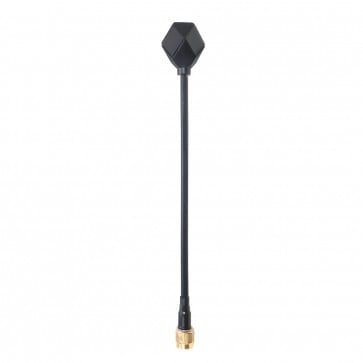
AKK 5.8GHz 6dBi Diamantantenne – RHCP 160 mm Schwarz
Anbieter:AKKNormaler Preis £7.49 GBPNormaler Preis -
TrueRC DJI FPV Singularity 5.8 Stubby Antenne (RHCP / LHCP)
Anbieter:TrueRC FPV AntennasNormaler Preis £16.95 GBPNormaler Preis
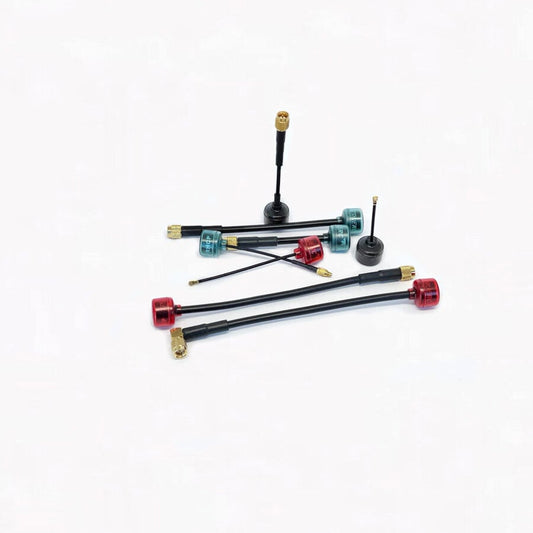
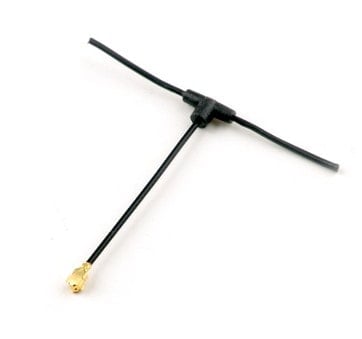


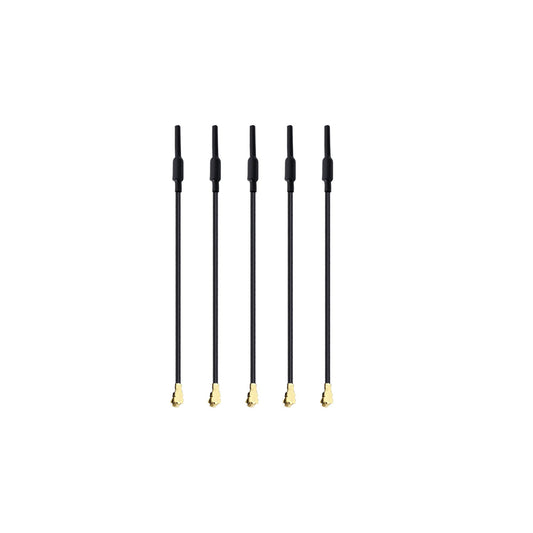


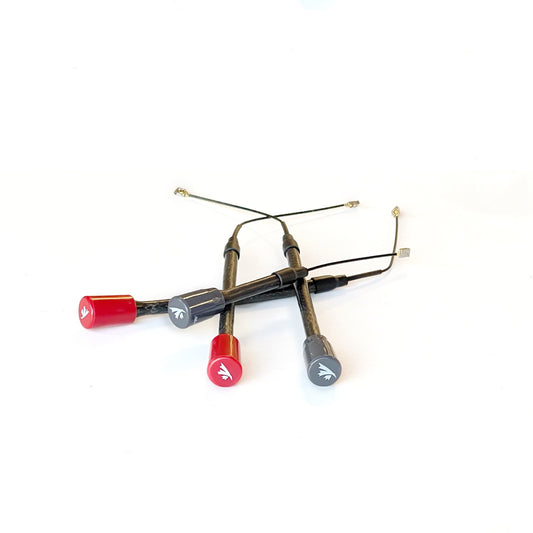





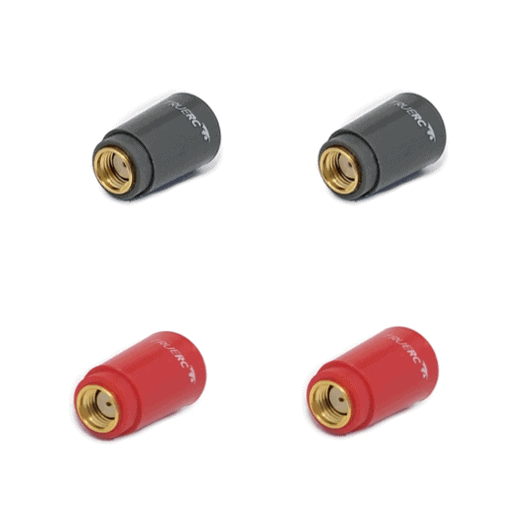
Kategorie: Antennen
FPV & RC Antennas
Antennas are one of the most critical components in any FPV drone or RC aircraft system. The right antenna determines your video link quality, control range, and signal reliability — whether you're flying proximity freestyle, long-range FPV, or racing on a tight track. At Unmanned Tech, we stock a comprehensive range of antennas for video transmission, control links, GPS, and diversity receiver systems.
Types of FPV & RC Antennas
- Video Transmitter (VTX) Antennas – Mounted on the drone, these transmit your FPV camera feed to your goggles or monitor. Available in linear (dipole) and circular polarised (RHCP/LHCP) variants. Circular polarised antennas significantly reduce multipath interference and are the preferred choice for most FPV pilots.
- Video Receiver (VRX) Antennas – Fitted to FPV goggles or ground station receivers. Patch and helical antennas offer high directional gain for long-range flying; omni antennas suit proximity and racing.
- Diversity Antennas – Used in diversity receiver systems that automatically switch between two antennas to maintain the strongest signal. Typically paired as one omni + one directional antenna.
- Control Link Antennas – For RC transmitters and receivers operating on 2.4GHz, 900MHz, or 868MHz. Critical for maintaining a reliable control link at range.
- GPS Antennas – Ceramic patch antennas used with flight controller GPS modules for accurate positioning, return-to-home, and autonomous flight.
- Long-Range Antennas – High-gain directional antennas (patch, helical, Yagi) for extended range FPV and ground station setups.
Key Antenna Specifications Explained
- Frequency – Must match your system. FPV video typically runs on 5.8GHz; control links on 2.4GHz, 900MHz, or 868MHz (ExpressLRS, Crossfire, ELRS).
- Polarisation – RHCP (Right Hand Circular Polarised) and LHCP (Left Hand Circular Polarised) antennas must be matched between TX and RX for best performance. Mixing polarisations causes significant signal loss.
- Gain (dBi) – Higher gain = more directional focus. Omni antennas (2–3 dBi) suit all-round flying; patch/helical antennas (8–14 dBi) suit long-range directional use.
- Connector Type – Common connectors include SMA, RP-SMA, U.FL (IPEX), and MMCX. Ensure compatibility with your VTX, VRX, or receiver.
- Linear vs Circular – Linear antennas are simpler and cheaper; circular polarised antennas offer superior multipath rejection and are strongly recommended for FPV video links.
Featured Brands
- TrueRC – A premium antenna manufacturer renowned for high-performance circular polarised antennas. Their Singularity and X-AIR series are widely used by long-range and racing FPV pilots for exceptional signal clarity and build quality.
- Foxeer – A leading FPV component brand offering a broad range of affordable, reliable antennas for video and control links, popular across the FPV community for their consistent performance.
- Lumenier – Known for high-quality AXII antenna series, a favourite among FPV racers and freestyle pilots for their compact form factor and strong circular polarised performance.
Frequently Asked Questions
What is the best antenna for FPV drones? For most FPV pilots, a circular polarised antenna (RHCP) on both the video transmitter and receiver goggles offers the best balance of signal quality and multipath rejection. The Lumenier AXII and TrueRC Singularity are highly regarded options.
What frequency do FPV antennas use? FPV video transmission typically operates on 5.8GHz. Control links use 2.4GHz (most RC systems) or 900MHz / 868MHz for long-range systems like ExpressLRS (ELRS) and TBS Crossfire.
Do I need to match antenna polarisation? Yes. RHCP antennas should be paired with RHCP antennas on both ends of the link. Mismatching RHCP and LHCP results in up to 20dB of signal loss.
What connector do FPV antennas use? The most common connectors are SMA and RP-SMA for goggles and ground stations, and U.FL (IPEX) or MMCX for on-board VTX and receiver connections.
All antennas at Unmanned Tech are stocked and shipped from the UK, with same-day dispatch on orders placed before 3pm.
