
Quick Answer
If this is your first ArduPilot multirotor, avoid old or inconsistent hardware that causes setup pain before you even fly. Community feedback points to common traps: unsupported APM boards, inconsistent Pixhawk 2.4.8 clones, weak F450-style clone frames, generic collet motors, and outdated SimonK ESCs. Pick modern, well-supported parts with clear documentation and known firmware paths.
Why this topic matters for first builds
The ArduPilot community thread Hardware to avoid when building your first multirotor became popular for a reason. Most beginner crashes and tuning headaches are not caused by one bad parameter, they start with inconsistent hardware, noisy sensors, or old firmware targets.
The practical goal is not to buy the most expensive stack. It is to avoid parts that waste weeks of troubleshooting. The list below is adapted from that thread, then balanced with useful points raised in the comments.
Hardware categories the community says to avoid
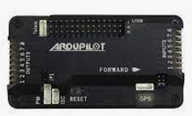
1) Legacy APM flight controllers
APM boards have not been supported by ArduPilot for years. They look cheap, but they are false economy for a first build.
2) RadioLink autopilot ecosystem concerns
The original post flags licensing concerns and poor fit for first-time ArduPilot users.

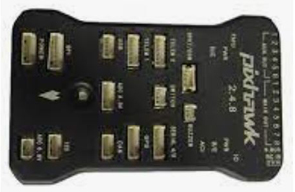
3) Generic Pixhawk 2.4.8 clones
This one is nuanced. Some users report them working, but many report board-to-board variation, inconsistent firmware targets, and mixed component quality. That unpredictability is exactly what beginners struggle with.
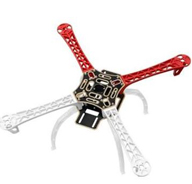
4) F450 and similar low-rigidity clone frames
The thread highlights that many modern F450-style clones are far less rigid than the original designs, which can make tuning and vibration control harder.
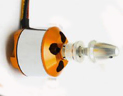
5) Generic motors with collet prop adapters
For multirotors, collet systems can become a vibration source and make balancing harder.
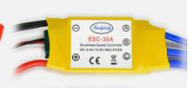
6) Old SimonK-era ESCs
The thread strongly recommends modern ESC firmware paths. For many builds today, BLHeli_32 (or BLHeli_S flashed to Bluejay where relevant) gives a much better starting point.
Extra insights from the comments
The comments add useful balance:
- Some users argue cheap Pixhawk-style boards can still work for basic setups, especially because pre-crimped ecosystem cables are common.
- Others point out that "cheap" can become expensive after delays, rework, and failures, especially when quality varies between visually similar boards.
- Several experienced users recommend spending slightly more on known boards from established vendors to reduce support friction.
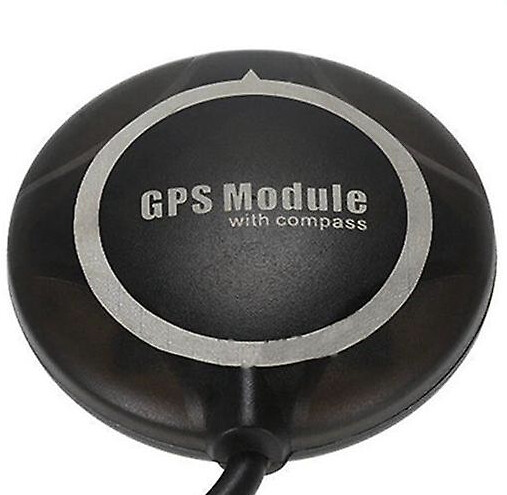
- A useful addition from the thread: be cautious with vague GPS modules (for example low-spec or ambiguously branded listings) because GNSS quality is critical for stable positioning and mission reliability.
What to buy instead for a smoother first build
A practical baseline is a modern, documented controller and dependable peripherals:
- CubePilot Cube Orange+ Module for a robust ArduPilot core.
- HolyBro M9N GPS Module for Pixhawk for reliable positioning.
- Holybro Tekko32 F3 Metal 65A 4in1 ESC if your frame and current budget fit this class.
If you want setup help, these guides are a good next step: How to Set Up ArduPilot on Your Flight Controller and How to Choose the Right Flight Controller for Your Build.
FAQ
Q: Are all Pixhawk 2.4.8 boards unusable?
A: Not always. Some work, but quality and hardware consistency vary. That variation is the risk for first-time builders.
Q: Is this about brand loyalty?
A: No, it is about supportability, firmware clarity, and predictable behaviour during setup and tuning.
Q: What is the safest beginner strategy?
A: Use well-documented parts from known vendors, keep wiring simple, and start with conservative defaults before aggressive tuning.
Attribution: adapted from the ArduPilot community discussion linked above, with additional summary points from the thread comments.